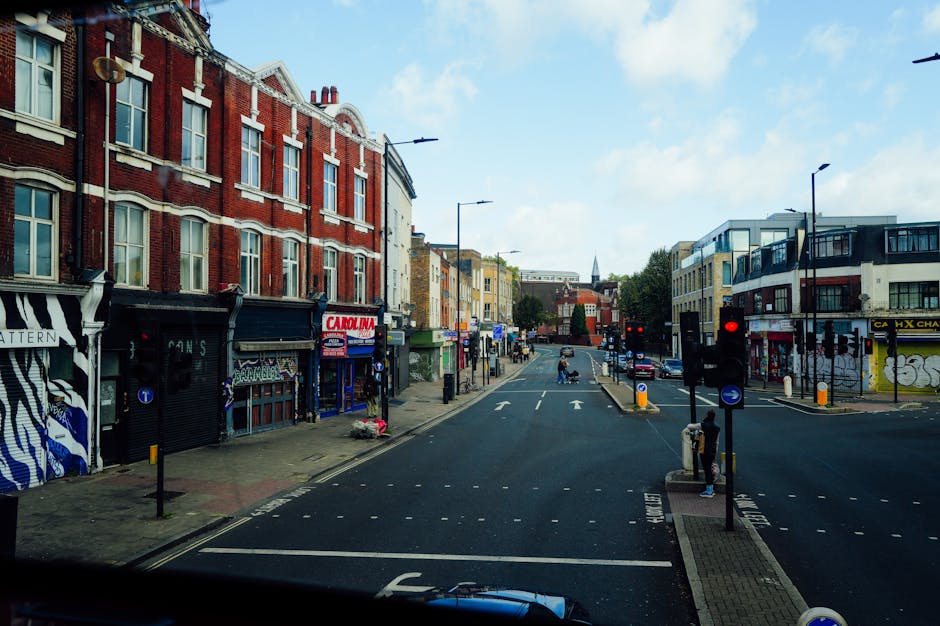
Man with a van in Peckham for straightforward local and longer-distance moves

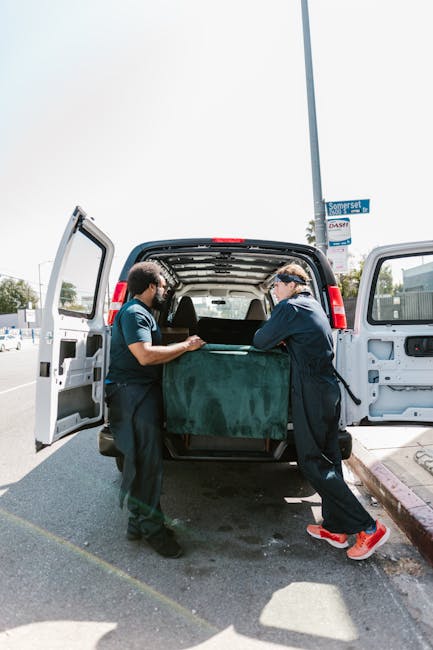
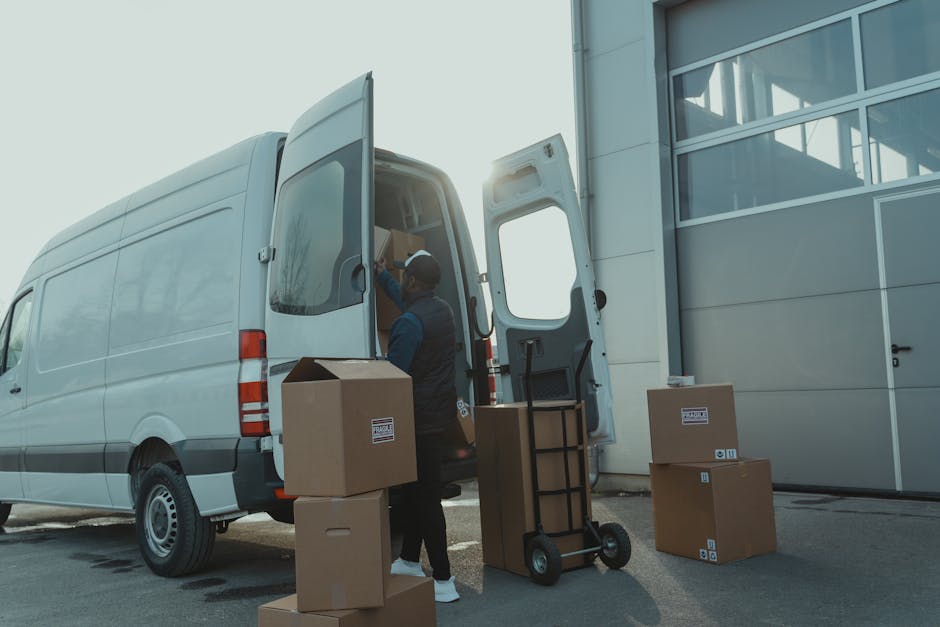
We provide man with a van services in Peckham for customers who need items moved with care, sensible planning and a vehicle suited to the job. The service works well for single-room moves, furniture collection, shop purchases, student moves and practical transport when you do not need a full-scale removals crew. Our approach is focused on keeping the process clear, with a service that is organised around the load, the route and the access at each address.
For many customers, the value is in having one joined-up service rather than arranging transport and handling separately. That can mean careful lifting, secure loading and a van that is appropriate for bulky or awkward items. We can support you with removal services when the move needs broader help than simple transport, and we tailor the work to the goods being carried rather than forcing a one-size-fits-all approach.
If you are comparing options, ask for a quotation and share the details of what needs moving.
What this man and van service can cover
Our man with a van work is suited to jobs where flexibility matters. That might include a few pieces of furniture, boxes from a flat, appliances that need sensible handling, or mixed household items that are not enough for a large lorry. The service can also be useful for pickups from stores, storage units or private addresses when the items are ready to load and the main need is safe transport.
We can also support customers who need help moving items within the same property or between nearby locations. When a job is straightforward, a compact vehicle and practical loading can be a good fit. For more involved moves, our removals page covers the wider service structure. If you are planning around stairs, narrow access or heavier furniture, it is sensible to describe those points clearly so the move can be matched to the load.
When you want to begin, keep the first enquiry simple and precise. A short description of the item types, collection point, destination and preferred timing usually gives enough context for a useful response. You can ask for a quotation once the essentials are clear.
Furniture moves, collections and everyday transport

Many requests for a man with a van are centred on furniture rather than whole-house moves. Sofas, beds, wardrobes, tables, desks and similar items often need measured loading and careful positioning in the van. This type of work benefits from practical handling, because even ordinary household pieces can become difficult if the access is tight or the item has to turn through a narrow hall or stairwell.
For customers who are collecting a single item or several pieces from different places, the main consideration is how the load will fit together in the vehicle. Proper planning helps avoid wasted journeys and helps protect surfaces, frames and finishes. If you need moving assistance that sits between a one-off pickup and a full removal, our furniture pick-up page may be relevant. It reflects the kind of transport-focused work many customers ask for.
Useful preparation is usually simple: identify the items to be moved, note anything fragile or unusually heavy, and make sure collection and delivery points are ready for loading. Clear access, parked vehicles and a sensible handover arrangement can make the job smoother. Smaller jobs still deserve proper planning, because one awkward item can affect the whole load.
Home moves arranged around your load and access
A man with a van is often chosen for home moves that do not require a large team or a full moving truck. That may include studio flats, one-bedroom moves, partial household transport or a staged move where items travel in more than one journey. The service can be kept practical and manageable, especially when there are only a limited number of items and the route is local or straightforward.
When a move involves more than basic transport, planning matters. The size of the furniture, the number of boxes, the presence of fragile belongings and the amount of carrying involved all influence how the job should be set up. Our home moves page is a useful option where residential moving support is the main requirement. It sits naturally alongside man and van work because both services are built around handling household items carefully and efficiently.
Before requesting a quotation, it helps to think through what is going and what is staying behind. A concise list, even if it is only a rough one, can make it easier to match the van space to the task. If any items must be disassembled or reassembled, mention that as part of the same note rather than leaving it until later.
Packing, wrapping and practical preparation
Although the core service is transport, many moves benefit from better preparation before loading begins. Boxes should be closed securely, small items grouped together, and fragile pieces protected so they can be carried without unnecessary movement. Packing is not about making the job complicated; it is about reducing the chance of damage and helping the load sit more safely in the vehicle.
For customers who want more hands-on help, our packing and unpacking services page covers a related part of the moving process. That support can be useful when the contents need sorting, boxing or careful handling before the van arrives. It is especially relevant when the move includes mixed household items, delicate belongings or a lot of small pieces that would otherwise be awkward to organise.
Two simple habits usually make the difference: keep essentials separate and keep heavier items at the bottom of each box. That helps with stacking, reduces strain during lifting and makes unloading more predictable. If you are unsure whether an item should be wrapped, boxed or carried loose, mention it when you ask for a quotation and the right approach can be discussed.
Business moves and office transport

Man with a van services are not only for households. Small office relocations, document transport, furniture transfers and equipment moves can also suit this kind of work when the load is limited and the schedule needs to stay practical. Business customers often want a simple arrangement that keeps things moving without committing to a larger removal operation than the job requires.
For more involved workplace projects, our office relocation services page is the better place to start. Where desks, chairs, filing items or boxed equipment need to be moved with attention to sequence and access, the work can be planned as a focused move rather than a generic van hire exercise. That helps keep the process orderly and easier to coordinate.
Commercial jobs often depend on timing, building access and the order in which items are removed or delivered. If you are arranging a business move, it is worth stating whether the pickup must happen before opening hours, after closing, or within a narrow window. A clear brief gives a better chance of matching the vehicle and handling plan to the task.
About Peckham
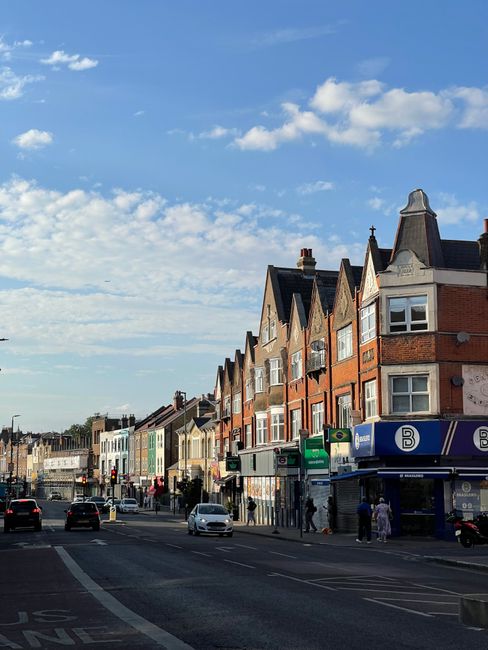
Peckham is a district in south-east London within the London Borough of Southwark, shaped by long layers of urban change, migration and redevelopment. It lies on the route of the old village that grew into a London suburb and later became part of the wider metropolis. The area is known for a dense mix of residential streets, high streets and newer apartment buildings, with Rye Lane forming one of its best-known commercial corridors. Peckham Rye is a significant open space nearby, and the surrounding streets reflect a varied architectural history that includes Victorian and Edwardian terraces as well as post-war estates and more recent infill development. The railway helped transform the district in the nineteenth century, linking it more closely to central London and encouraging further growth. Today Peckham is also associated with cultural activity, independent businesses and community venues, with places such as the Peckham Levels redevelopment standing as examples of how old commercial structures have been repurposed. The area’s character is shaped by its mix of everyday residential life and active public spaces, from markets and local shopping streets to parks and transport links. It sits close to other south London districts, yet retains a strong identity through its street patterns, local landmarks and continuing change.
How to plan a move without unnecessary stress
One advantage of using a man with a van is that the service can be arranged around the actual size of the task instead of a fixed package. That makes it suitable for people moving a few items, clearing a room or transporting a purchase that cannot be collected in a standard car. The key is to be realistic about weight, access and how much help is needed at each end of the journey.
When you request a quotation, include the pickup and delivery areas, the main items and any access points that may affect loading. Lifts, stairs, parking distance and time restrictions are all worth noting because they can influence the shape of the job. If you need a broader move with multiple rooms or a more structured handover, our house removals page may be a better fit for the residential side of the work.
Keep the enquiry concise but complete. A short message that says what is moving, where it is going and when it needs to happen is often enough to start the process. You do not need to over-explain every detail at once, but the more accurate the initial information, the easier it is to match the van to the job.
Removal support for flats, rooms and partial loads
A man with a van is particularly helpful when the move is partial rather than complete. Customers may need only selected furniture, boxed belongings or a few heavier pieces taken to a new address, a storage facility or another part of the city. That kind of job benefits from a service that is nimble, direct and able to adapt to the size of the load.
For more general residential support, our house movers page and our house-removalists page sit alongside this service and help define the broader moving offer. Those pages are useful where a full domestic relocation or a more formal moving arrangement is needed. If you are unsure which service level suits the job, describe the load and the location so the most appropriate option can be identified.
It is often wise to separate what is travelling from what is being left behind before the van arrives. That saves time on the day and lowers the risk of confusion during loading. Clear access and a clear load list are often the simplest ways to make the move efficient without adding unnecessary complexity.
Pricing factors and quotation details

Quotation work for a man with a van usually depends on a few practical factors: the volume of the load, the distance to be travelled, the number of stops, the access at each property and whether any items need special care. Because every job is different, a useful quotation begins with accurate information rather than general assumptions. That keeps the discussion grounded in the actual move.
Where customers have a clear idea of what is moving, they can often provide enough information in one message to start the process properly. If the job involves collections from more than one address, mixed furniture, or a need for additional handling, mention that at the same time. Our pricing and quotes page is there for customers who want to understand how enquiries are handled and what information is needed before a move can be priced.
There is no need to guess at the whole job from memory alone. A brief inventory, even if it is not perfect, can help avoid misunderstandings and save time later. If you are ready to proceed, ask for a quotation and give the basic route, load and timing in one message.
Supporting safe loading and careful transit
Safe loading is a central part of any man with a van service. Items need to be arranged so they do not shift in transit, and heavier pieces should sit in positions that make sense for both balance and unloading. Careful handling is particularly important for glass, mirrored furniture, electronics and anything with surfaces that scratch easily.
Our insurance and safety page is relevant to customers who want to understand the precautions around the work. It sits naturally with the moving service because the way items are carried, secured and lifted matters as much as the journey itself. Good practice is not only about protecting belongings; it is also about making the process more manageable for everyone involved.
Whenever possible, make paths clear before collection begins. Tight corners, loose rugs and cluttered entrances can all slow the work and make handling more difficult. The simpler the route between the property and the vehicle, the more smoothly the load can usually be transferred.
Getting ready to request a quotation

If you are thinking about a move, the most helpful first step is to define the task in practical terms. State what needs moving, where it is going, whether there are several floors or difficult access points, and whether the items need dismantling, wrapping or extra care. That is usually enough to begin a sensible discussion about the job.
For customers who want the wider company information before proceeding, our about us page provides a broader overview, while our contact us page is the place to send an enquiry. A short, clear message helps us respond in a way that fits the move rather than forcing the move to fit a generic template. If you are still comparing options, use the same details when you approach us so the quotation is based on the same information.
Request a quotation today and tell us what needs to be moved, when it needs to happen and how access works at each end.