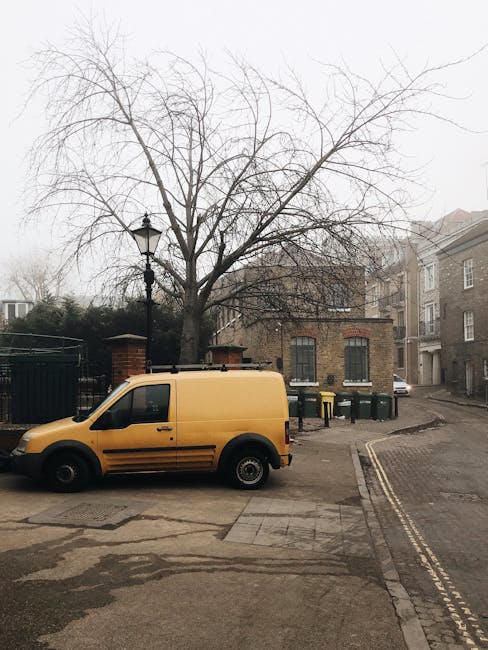
Peckham Parking Suspensions Explained for Moving Vans
If you are trying to move a house or flat in Peckham, parking can become the one thing that turns a busy day into a stressful one. Narrow roads, busy kerb space, resident bays, permit-only streets, and the simple fact that a moving van needs room to load all add up quickly. That is where Peckham parking suspensions explained for moving vans becomes genuinely useful: it helps you understand when a parking bay needs to be suspended, why it matters, and how to plan the move so the van can stop where it actually needs to.
Truth be told, most moving problems are not caused by the lifting itself. They happen when the van cannot get close enough to the property, or when a driver has to double-park and hope for the best. That is a gamble. And in Peckham, on a street with tight turning space and impatient traffic, it is usually not a good one. This guide walks you through the practical side of parking suspensions, the common pitfalls, and the steps that make moving day feel a lot more manageable.
Expert summary: A parking suspension is essentially temporary permission to keep a parking space clear for a specific use, time, and location. For moving vans, it is often the difference between a smooth load/unload and a day spent circling the block.
Table of Contents
- Why Peckham Parking Suspensions Explained for Moving Vans Matters
- How Peckham Parking Suspensions Explained for Moving Vans Works
- Key Benefits and Practical Advantages
- Who This Is For and When It Makes Sense
- Step-by-Step Guidance
- Expert Tips for Better Results
- Common Mistakes to Avoid
- Tools, Resources and Recommendations
- Law, Compliance, Standards, or Best Practice
- Options, Methods, or Comparison Table
- Case Study or Real-World Example
- Practical Checklist
- Conclusion
- Frequently Asked Questions
Why Peckham Parking Suspensions Explained for Moving Vans Matters
Peckham is a lively part of south London, and that energy is part of the appeal. It also means streets can be busy, space can be limited, and parking is often tightly controlled. If you are moving with a van, you need more than a general idea of where to stop. You need a workable plan for access, loading time, and a place where the vehicle can legally stand without causing delays or conflict.
A parking suspension is not just admin for the sake of admin. It protects the space your moving van needs so that sofas, boxes, beds, and those awkward bits of furniture can come straight out of the property instead of being carried half a street away. That sounds small until you are on the pavement with a mattress in the rain and nowhere to park. Then it matters a great deal.
For movers, landlords, tenants, and property managers, the key question is simple: can the van stop close enough to the property for the move to happen safely and efficiently? If the answer is no, a parking suspension may be the right tool. It reduces the risk of parking tickets, delays, upset neighbours, and that slightly panicked feeling you get when the driver says, "I've had to go round again."
Peckham's streets can also involve a mix of restrictions, from resident parking bays to timed controls. Even if you know the area well, moving day changes the picture. A spot that works for a car for ten minutes may not work at all for a long wheelbase van with a loading ramp. So yes, the topic is practical, local, and annoyingly important. Let's face it, the van only has to be in the wrong place once for the whole day to wobble.
How Peckham Parking Suspensions Explained for Moving Vans Works
In plain English, a parking suspension temporarily removes or restricts parking use in a specific bay or section of road. The space is kept clear for a reason, such as removals, building work, deliveries, or access needs. For a moving van, this gives the driver a legal and practical place to stop while goods are loaded or unloaded.
The exact process can vary depending on the road and the local authority arrangements, so it is always wise to check details early rather than assume the same approach will work everywhere. In most cases, you will need to provide the location, date, time window, and reason for the suspension. If the road has multiple bays or different restrictions, the affected area may need to be described carefully. A vague request usually causes a vague outcome, and nobody wants that on moving day.
What actually happens on the day? Typically, the suspended bay or section should be signed or marked so that other road users know it is not available. That does not magically solve everything, of course. Drivers still need to park safely, and the move should still be carried out with care. But the presence of a suspension makes enforcement and access much clearer.
There is also an important practical distinction between a parking suspension and simply turning up early and hoping for a gap. Hopes are lovely; legal parking is better. If the van blocks a restricted bay without authorisation, it can be moved on or penalised, and the whole schedule can unravel very quickly.
If your move is being coordinated alongside other services, you may also want to look at local logistics pages such as removals services and man and van support to understand how the parking plan fits with the moving plan.
Key Benefits and Practical Advantages
A well-planned parking suspension can make a move feel strangely calm. Not luxurious, exactly. Just calmer. Here are the main benefits people notice in practice.
- Better access to the property. The moving team can park closer to the entrance, which reduces carrying distance and speeds up loading and unloading.
- Less risk of enforcement action. Parking in a controlled bay without permission is a fast way to create problems. A suspension helps avoid that.
- Less disruption to neighbours and traffic. A van that can park properly is less likely to block driveways, corners, or busy traffic lanes.
- Faster turnaround. A move that is not constantly interrupted by parking issues tends to run more smoothly. Funny how that works.
- Safer handling of furniture. Shorter carry distances can mean fewer knocks, fewer dropped items, and less strain on the moving team.
There is also a less obvious benefit: confidence. When everyone knows where the van should stop, there is less last-minute scrambling. The mover knows the route. The customer knows what to expect. The neighbours are less likely to wonder why a large vehicle is sitting across two spaces at eight in the morning.
For some jobs, a suspension is the difference between a one-trip efficient move and a day full of awkward back-and-forth carrying. If you have ever watched a team try to move wardrobes from three doors down, you will understand why that matters.
Who This Is For and When It Makes Sense
Parking suspensions are not needed for every move. A small flat move on a quiet street with a legal loading area may not require one at all. But they become much more useful when the property is in a busier part of Peckham, the van is large, or the street layout makes stopping difficult.
This is especially relevant for:
- tenants moving in or out of flats on controlled streets
- homeowners relocating furniture or full household contents
- landlords coordinating changeovers between occupiers
- property managers arranging access for removals teams
- businesses receiving bulky stock or office equipment via van
- anyone using a larger removals vehicle in a tight residential street
It makes sense when parking conditions are uncertain, access is limited, or the move involves heavy or bulky items. If the van is likely to be left idling in circles while someone downstairs searches for a key, you probably want the suspension plan sorted first. Small detail, big impact.
On the other hand, if the property has a private driveway, forecourt, or loading area, you may not need a suspension at all. That is why checking the street setup early is so useful. The right solution depends on the road, not just the postcode.
Step-by-Step Guidance
If you want a practical way to approach Peckham parking suspensions for moving vans, follow this sequence. It saves time and stops you making assumptions that later turn into problems.
- Check the exact property access. Look at where the van could legally stop, where the front door is, and whether there is any loading space nearby.
- Identify the road restrictions. Note resident bays, pay-and-display bays, yellow lines, time limits, and any visible loading rules. Do not guess. Walk it if needed.
- Estimate the van size. A small van, Luton, or long wheelbase vehicle will need different space. Measure the practical stopping area, not just the road width on paper.
- Decide whether a suspension is needed. If the van would otherwise be forced to double-park, block access, or risk a ticket, a suspension becomes much more sensible.
- Prepare the request details. You will usually need the address, dates, exact timing, and reason for the suspension. The more precise the information, the fewer delays later.
- Plan the moving window. Leave a cushion around arrival and departure times. Packing always takes longer than people think, especially when the kettle is still plugged in and someone says, "Just one more box."
- Confirm signage or on-street marking expectations. Make sure everyone knows what the suspended space should look like on the day.
- Brief the moving team. Tell them where to park, what access they have, and what to do if the space is occupied. Good communication here saves a lot of irritation.
A sensible move plan usually includes a backup option too. If the reserved space is blocked, or the road layout changes at the last moment, the team should know the nearest legal alternative. Having a plan B is not pessimism. It is just experience.
Expert Tips for Better Results
After enough moving days, a few patterns show up. The jobs that run well tend to have the same habits.
- Start early. Parking arrangements are easier to fix before the move than on the morning itself.
- Be exact about location. "Outside number 24" is helpful; "near the flat" is not. Small differences on narrow Peckham streets can matter a lot.
- Think about the van shape, not just length. Tail lifts, ramps, and open doors need extra clearance.
- Keep neighbours in mind. A quick heads-up can prevent complaints if the suspension affects shared space or a busy frontage.
- Confirm timings twice. Morning collections, afternoon unloading, and key handovers can slide around easily.
- Have someone on site at the start. A person who can answer questions is worth their weight in tea.
One useful trick is to stand at the property entrance and imagine the route a sofa would take from front room to van. If the route looks awkward in your head, it will probably be awkward in reality. Better to spot that before the move crew arrives than after.
Another small thing: if the street is busy at school-run time or during a local peak traffic spell, allow extra margin. Peckham can shift from calm to chaotic very quickly. One minute you have space, the next minute it feels like everyone in south London has decided to deliver a parcel at once.
Common Mistakes to Avoid
Most parking problems during a move are avoidable. The tricky part is that they often happen because someone made a reasonable-sounding assumption. Here are the usual suspects.
- Leaving the request too late. Suspensions often need lead time. Leave it until the final days and you may not get the arrangement you wanted.
- Assuming the closest space will be free. It might not be, especially in dense residential streets.
- Being vague about the road location. If the place is not clearly identified, the suspension may not cover the exact stopping point you need.
- Not checking the vehicle type. A medium van and a large removals truck are not the same thing.
- Ignoring permit or bay restrictions. A space that looks available may still be controlled.
- Forgetting the unloading side of the street. Sometimes the van can park, but the carry route becomes dangerous or too long.
- Not briefing the driver. If the person behind the wheel does not know the plan, the whole arrangement can fall apart fast.
The biggest mistake, honestly, is treating parking as a side issue. It is not. It affects timing, labour, safety, and the amount of stress everyone feels by lunchtime. And nobody wants a moving day story that starts with "we spent forty minutes searching for a space."
Tools, Resources and Recommendations
You do not need complicated software to manage a parking suspension, but a few simple tools help a great deal.
- Street-view style planning. Use whatever mapping view you trust to identify bay markings, one-way systems, corners, and narrow sections.
- Phone photos. Photos of the frontage, road markings, and available parking area are very useful when confirming the plan.
- Measurements. A rough tape measure for driveway width, footway gaps, or frontage space can prevent unrealistic assumptions.
- Written move notes. Keep the address, access instructions, and timing in one place so nobody is relying on memory alone.
- Moving labels and inventory notes. These help if the suspension allows quicker access and you want the team to work efficiently rather than hunting for boxes.
It can also help to review broader moving support before the day itself. For example, if you are arranging a full relocation, pages such as house removals planning can be useful for understanding how parking fits into the wider move. And if your move is smaller or more flexible, same-day courier support may be relevant for quick transport needs.
The best recommendation, though, is simple: build the parking plan into the moving plan from the beginning. Do not leave it as a last-minute note on a phone screen. That tends to end badly, and not in a dramatic way either, just in a tired and inconvenient way.
Law, Compliance, Standards, or Best Practice
This topic touches on local parking control, so care matters. Parking suspensions are usually governed by local authority arrangements and the rules that apply to the road in question. That means you should not assume a suspension works the same way in every street or borough. In practice, the safest approach is to treat the local rules and timings as the final word for that location.
From a best-practice point of view, the following principles are worth keeping in mind:
- Use the correct information. Address details, time windows, and road descriptions should be accurate.
- Respect signage and restrictions. If a bay is suspended, it should be used only for the intended purpose and within the approved period.
- Avoid obstructing traffic or access. Even where a suspension exists, the vehicle still has to be parked safely and responsibly.
- Plan for loading safety. The move should be carried out in a way that reduces trip hazards and protects pedestrians.
If a move is being handled in a busy area with foot traffic, it is sensible to think about visibility too. A van door open into the road, a ramp extending into a narrow gap, or boxes stacked in the wrong place can create avoidable risk. Simple discipline helps here. Nothing glamorous. Just good habits.
Because parking rules can change and enforcement is local, it is wise to confirm the latest position before relying on a suspension for a real move. That is not being cautious for no reason. It is being sensible.
Options, Methods, or Comparison Table
There is more than one way to manage access for a moving van in Peckham. The right choice depends on the street, the property, and how much flexibility you have. Here is a simple comparison.
| Option | Best for | Strengths | Limitations |
|---|---|---|---|
| Parking suspension | Controlled streets, tight access, larger vans | Creates a clearer stopping space, reduces enforcement risk, improves loading efficiency | Needs planning, accurate details, and local approval or arrangement |
| Temporary loading in an available legal bay | Shorter jobs, lighter loads, streets with legal loading space | Can be quicker to arrange if the space exists and is suitable | Often less reliable; may not suit larger vans or longer loading times |
| Private driveway or forecourt access | Homes with off-street parking | Usually simplest and least disruptive | Not available for many Peckham properties, especially flats or terraced homes |
| On-street parking without suspension | Only where restrictions allow and timing is very favourable | No formal setup required if legally permitted | Highest risk of delay, tickets, or a bad loading position |
In real life, the best option is usually the one that gives the mover the least friction without creating a parking problem for everybody else. That sounds obvious, but people often go for the easiest-looking option rather than the most workable one.
Case Study or Real-World Example
Imagine a family moving from a first-floor flat near a busy Peckham street. The property has no driveway, the road is lined with resident bays, and the main entrance opens directly onto the pavement. The removal van is medium-sized, but the loading team still needs enough room to work safely and quickly.
Without a suspension, the driver might arrive and find every practical space occupied. If the van parks several doors away, the team has a much longer carry route. Boxes get heavier with every extra metre, oddly enough. The move takes longer, the driver has to keep an eye on traffic, and the customer ends up wondering why everything feels rushed.
With a properly planned parking suspension, the team can stop close to the entrance and keep the loading path short. The move still needs organisation, and nobody should expect magic, but the day becomes much more manageable. Fewer delays. Less stress. Better handling of furniture. That is the real value.
There is a small human detail here that often gets missed: people relax when they can see the van where they expected it to be. You can feel it in the first few minutes. The front door opens, the ramp comes down, somebody says "right, let's get this moving," and the whole day starts on the right foot.
Practical Checklist
Use this checklist if you want to keep the move tidy and reduce parking headaches.
- Confirm the full property address and exact frontage
- Check whether the van can stop legally without a suspension
- Identify the relevant bay, loading area, or access point
- Note the moving date and realistic time window
- Measure or estimate the van size needed
- Take photos of the street and road markings if helpful
- Brief the mover or driver on where to park
- Keep a backup parking plan in case the area is occupied
- Allow extra time for delays, key handovers, or lift access
- Make sure everyone on site knows who is coordinating the parking plan
Quick takeaway: the earlier you treat parking as part of the move rather than a side note, the smoother the whole day usually feels. That one habit saves more hassle than most people realise.
Conclusion
Peckham parking suspensions for moving vans are not about paperwork for paperwork's sake. They are about giving the move a fair chance to run properly in a busy, often tightly controlled area. When you plan access well, the day becomes safer, faster, and much less chaotic. When you do not, even a simple move can turn into a tiring, stop-start shuffle with a van that cannot get where it needs to be.
The good news is that most of the stress can be reduced with early planning, clear details, and a realistic view of the street outside your door. If you are moving soon, take ten minutes now to think about the parking before everything else starts stacking up. It really does make a difference.
Get a free quote today and see how much you can save.
And if nothing else, you will give yourself one less thing to worry about on a day that already has enough moving parts.
Frequently Asked Questions
What is a parking suspension for a moving van?
A parking suspension is a temporary arrangement that keeps a parking space or bay clear for a specific purpose, such as loading or unloading a moving van. It helps create legal access close to the property.
Do I always need a parking suspension in Peckham?
No. If the property has private access or a suitable legal loading space, a suspension may not be necessary. It becomes more useful where parking is tight, controlled, or likely to be occupied.
How far in advance should I sort out a parking suspension?
As early as possible. Leaving it until the last minute can limit your options and create avoidable stress. Early planning is especially helpful on busy residential streets.
Can a moving van use a suspended bay all day?
Only if the arrangement and timing allow it. The van should be parked within the approved period and for the intended loading or unloading purpose. It is best to keep the use focused and practical.
What happens if someone parks in the suspended space?
That can create a delay and may mean the moving team needs to find an alternative legal stop nearby. This is why good communication and clear markings matter so much.
Is a parking suspension the same as a loading bay?
Not exactly. A loading bay is a designated area for loading activity, while a suspension is a temporary change to how a space is used. In practice, both can help with access, but they are not the same thing.
Does the size of the van matter?
Yes, very much. A larger removals van needs more room to park safely and may need a wider loading area or clearer frontage. Always think about the actual vehicle, not just the postcode.
What details are usually needed for a suspension request?
You will usually need the address, the road location, the date, the timing, and the reason for the suspension. More accurate details usually lead to fewer problems later.
Can I rely on street parking without a suspension on moving day?
Sometimes, but it is risky in busy areas. Even if the street looks fine in advance, it may be full when the van arrives. For tightly controlled Peckham streets, a suspension is often the safer plan.
What is the biggest mistake people make with moving van parking?
The most common mistake is treating parking as an afterthought. People focus on boxes, dates, and keys, then discover on the day that the van has nowhere sensible to stop. That one can bite hard.
Are parking suspensions useful for small moves too?
Yes, if the street is tight or access is awkward. Even a small move can become slow and awkward if the van cannot get close to the property. For a short local move, it may save a lot of time and frustration.
What should I do if I am not sure whether I need one?
Assess the street, the property access, and the size of the van. If there is doubt, it is usually better to plan for the restriction rather than assume it will be fine. A little caution here is rarely wasted.