Queens Road Peckham removals guide for shops and flats
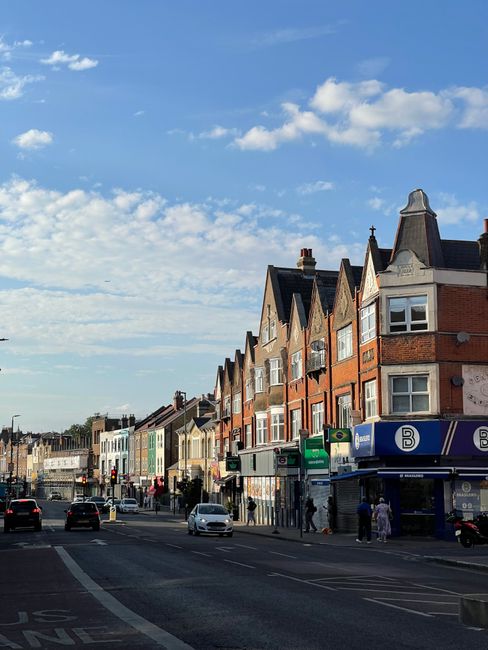
If you are planning a move on or around Queens Road Peckham, you already know this is not one of those places where you can simply wing it. Shopfronts sit close to busy pavements, flats often mean stairs, tight hallways or awkward loading spots, and timing can make the difference between a calm move and a stressful one. This Queens Road Peckham removals guide for shops and flats is here to help you plan properly, avoid the usual snags, and choose a removal approach that suits your space, your schedule, and your budget.
Whether you are clearing a small retail unit, shifting stock between premises, or moving into a top-floor flat with not much more than a lift that is sometimes helpful and sometimes not, the basics are the same: measure, prepare, protect, and communicate. Sounds simple. In real life, of course, it rarely is. So let's break it down in a way that is actually useful.
Why Queens Road Peckham removals guide for shops and flats Matters
Queens Road Peckham is one of those London stretches where moving well is less about brute force and more about timing, access, and decent preparation. Shops usually need a move that protects trading hours, stock, and fixtures. Flats need a move that respects neighbours, shared entrances, and limited parking. Put those together and the margin for error shrinks quickly.
For a shop, even a short move can affect customer flow, deliveries, and opening times. A misplaced shelving unit or a delayed van can throw off a whole day. For a flat, the challenge is often physical access: narrow stairwells, lift capacity, entry codes, and the age-old question of where the van can safely stop without blocking everyone else's morning. Truth be told, the move itself is often the easy part. It is the coordination around it that gets people.
This is why a clear removals plan matters. It helps you decide what needs professional handling, what can be dismantled, what should be packed first, and how much time you actually need. If you are comparing moving options, it can also help to look at broader services such as removal services or a more specialist commercial move when you are relocating a shop rather than a home.
Key takeaway: The best Queens Road Peckham move is usually the one that looks calm from the outside because the planning happened quietly and early.
How Queens Road Peckham removals guide for shops and flats Works
A good move starts with a quick but honest assessment. What are you moving? How far? What access do you have? Are there fragile items, heavy furniture, displays, stock, or equipment? Once those questions are answered, the rest becomes much more manageable.
For flats, the process usually involves assessing stair access, lift size, hallway width, and any building rules around move-in times. For shops, the focus is often on stock control, dismantling shelving, protecting tills or displays, and arranging a route that does not disrupt trade too much. In both cases, the right vehicle matters too. Some jobs suit a compact van; others are easier with a larger moving van or a more flexible man with a van arrangement.
Think of the process in three layers:
- Access planning: working out where the vehicle can park and how items will reach the door.
- Protection planning: wrapping, padding, boxing, and separating fragile or high-value items.
- Timing planning: choosing a slot that reduces disruption, whether that means early morning, midday, or after trading hours.
At shop level, there is often more equipment than people expect. Displays, card readers, shelving, signage, point-of-sale systems, packaging, and backroom storage all need a different approach. For flats, people often underestimate how much time it takes to move things down stairs safely, especially if there is bulky furniture and one awkward corner in the stairwell that seems designed by someone who never had to carry a sofa.
Key Benefits and Practical Advantages
The big benefit of planning a move properly is simple: fewer surprises. But there are a few more specific advantages worth spelling out.
- Less damage: careful packing and the right vehicle reduce the chance of scratched floors, broken glass, chipped corners, and bent fixtures.
- Less downtime: if you run a shop, a well-timed move helps you reopen sooner and keep trade disruption under control.
- Less physical strain: moving heavy items in flats or narrow shop spaces is tiring and can be risky without the right handling.
- Better organisation: labelled boxes and grouped items make unpacking far easier, especially when you are dealing with stock or household essentials.
- Clearer budgeting: when you know the scope, you are less likely to overspend on the day or book the wrong size vehicle.
Another advantage that gets overlooked is peace of mind. People do not always need the biggest service. Sometimes they need a straightforward, capable team that turns up when expected, knows how to work around access issues, and keeps things moving without drama. That matters a lot in a busy local area. If you are still deciding how much help to get, a simpler setup like man and van may be enough for a flat move, while larger shop relocations may be better served by a dedicated removal company.
Who This Is For and When It Makes Sense
This guide is for anyone moving in or out of Queens Road Peckham who wants the practical version, not the vague version.
You will likely find it useful if you are:
- moving from a one-bedroom or two-bedroom flat;
- relocating a studio, maisonette, or top-floor apartment;
- opening, closing, or refitting a shop;
- moving office stock or small business equipment;
- dealing with furniture, fixtures, or multiple boxes;
- trying to fit a move around deliveries, opening hours, or building access rules.
It also makes sense if you are trying to compare different levels of help. For example, a tenant moving out of a flat may only need a driver and loader, while a shop owner may need a broader plan that includes packing, dismantling, and transport. In practice, many people end up blending services. One job might need packing and unpacking services for fragile items, plus a smaller vehicle for the final run.
If your move involves storage turnover, bulky stock, or equipment that must stay dry and secure, it is worth taking a moment to picture the day minute by minute. Not glamorous, I know. But it helps.
Step-by-Step Guidance
Here is the cleanest way to approach a Queens Road Peckham move without turning it into a last-minute scramble.
- List everything that is moving. Separate essential items from non-essential ones. Shops should split stock, fixtures, marketing materials, and admin equipment. Flats should split furniture, clothes, kitchen items, and valuables.
- Measure the awkward bits. Doorways, stair turns, lift dimensions, and vehicle stopping space all matter. This is where many moves go sideways, and it is usually something small.
- Decide what needs dismantling. Beds, shelves, display stands, and some office furniture move more safely when taken apart. Keep fixings in labelled bags. Future you will be grateful.
- Choose the right vehicle and crew. A compact removal van can be ideal for tighter streets or lighter loads. Bigger moves may need a more substantial vehicle or multiple trips.
- Pack by priority. Essentials first, fragile items carefully, and heavy items at the bottom of boxes. For shops, keep high-value stock separate and clearly marked.
- Protect floors and surfaces. Use covers, blankets, and sensible handling. In flats, this helps keep neighbours happier too. And yes, that matters.
- Plan your loading order. Put the heaviest and least fragile items in first, then stack lighter boxes where they will stay secure.
- Confirm timing and access. Re-check entry codes, parking arrangements, lift bookings, and any building instructions the day before.
- Do a final sweep. Check cupboards, shelves, tills, backrooms, under beds, and behind doors. The number of times someone forgets one small but important thing is, frankly, comic.
If you want a more structured commercial relocation, it can also help to review broader office removals support, especially when there is stock, furniture, or equipment involved alongside the retail space.
Expert Tips for Better Results
Over time, the moves that go smoothly tend to share a few habits. Nothing flashy. Just sensible work done early.
- Start with access, not packing. If the van cannot stop near the door, or the lift is too small, the rest of the plan needs adjusting.
- Label more than you think you need to. Room labels for flats are helpful, but shop moves benefit from labels like "front display," "back stock," "till unit," or "fragile signage."
- Keep one essentials box. Tea, kettle, charger, basic tools, bin bags, tape, and wipes. It sounds mundane. It is brilliant.
- Use the right help for the right job. A smaller move may suit a flexible man with van removal setup, while a larger move may be better handled by trained movers with more lifting support.
- Think about the next 24 hours. What do you need immediately after the move? That should be packed last and unloaded first.
A small local observation: on busy streets, a few extra minutes of coordination can save a lot of awkward back-and-forth. Even just agreeing who is waiting at the door and who is guiding the vehicle can stop a move from feeling messy.
And if you are moving a flat in the evening, keep noise in mind. Metal bed frames, dropped tools, and repeated trips up and down stairs can test everyone's patience. Nobody wants to be the building's "that move".
Common Mistakes to Avoid
Some mistakes are tiny in isolation but expensive when they stack up.
- Underestimating access issues. A five-minute walk from van to door can become a long, tiring chain of trips.
- Not measuring bulky items. Wardrobes, desks, shelving, and fridges often cause problems at the last stage, not the first.
- Packing fragile stock or glass too loosely. Good packing takes longer than throwing things in a box, but it pays off.
- Leaving the booking too late. Especially for shops, timing around trade can be tight.
- Forgetting disposal planning. Old furniture, broken fittings, and packaging may need to be removed as well.
- Using the wrong size vehicle. Too small means more trips; too large can mean access headaches. There is a sweet spot.
Another common issue is assuming everything will fit through the same route. In flats, the move-out route may not be the move-in route. In shops, the rear entrance may be easier for some items, while the front is better for others. It pays to walk the route before move day, even if that feels a bit overcautious. It is not overcautious. It is smart.
Tools, Resources and Recommendations
You do not need a warehouse full of gear to move well, but a few basic tools make life much easier.
| Item | Why it helps | Best for |
|---|---|---|
| Sturdy boxes | Protects contents and stacks safely | Flats, stock, files, display items |
| Packing tape and labels | Keeps boxes closed and organised | All moves |
| Blankets or protective wraps | Reduces scuffs and scratches | Furniture, fixtures, counters |
| Dolly or sack truck | Eases heavy lifting over short distances | Shop stock, boxes, appliances |
| Basic toolkit | Useful for dismantling and reassembly | Beds, shelving, office units |
If you are considering a service package, compare what is actually included. For some jobs, a basic transport-only option is enough. For others, you may want a fuller removal services approach with packing support and careful handling. For households, looking at home moves options can help you match the scale of the job without overbuying service you do not need.
If your move includes bulky clear-outs or unwanted furniture, it may also be worth considering furniture pick up so you are not hauling unnecessary items from one address to another. Simple, but often overlooked.
Law, Compliance, Standards, or Best Practice
For most people, the legal side of moving is not the headline issue, but it still matters. In the UK, businesses and residents should think carefully about safe lifting, vehicle access, insurance, and building rules. If you run a shop, you also have a duty to avoid creating avoidable hazards for staff, customers, and neighbours during the move. That does not mean you need a law degree. It means you should plan responsibly.
Best practice usually includes:
- making sure the move does not block fire routes or unsafe entry points;
- using appropriate manual handling methods;
- confirming any building-specific move-in or move-out restrictions;
- checking that the removal provider has suitable insurance and safety procedures;
- keeping high-value or sensitive items accounted for throughout the move.
If you want reassurance on operational standards, it helps to review a company's own policies, such as its health and safety policy and insurance and safety information. Those pages will not move boxes for you, obviously, but they do tell you how seriously a company treats risk.
Payment clarity matters too. Before booking, understand how charges work and whether there are any terms around waiting time, extra stops, or access delays. It is also wise to read the terms and conditions and the company's notes on payment and security. A few minutes of checking can spare you an annoying surprise later.
Options, Methods, or Comparison Table
If you are unsure which moving method suits your situation, this comparison should help.
| Option | Best for | Strengths | Trade-offs |
|---|---|---|---|
| Man and van | Small flat moves, light commercial loads | Flexible, often efficient, good for shorter jobs | May not suit very large or complex moves |
| Removal van | Medium loads, local relocations | Practical balance of space and manoeuvrability | May still need multiple trips for bigger jobs |
| Full removal company | Large flats, busy shops, fragile or heavy loads | More support, better for complex planning | Usually more involved and potentially more costly |
For many Queens Road Peckham jobs, the best answer is not one method forever. It is the method that fits this move. A small flat on the third floor might be perfect for a flexible van service. A shop relocation with fixtures and stock might need a more complete commercial approach. If you are uncertain, a quick comparison of man and van removals versus a broader removals service can make the decision easier.
Case Study or Real-World Example
Here is a realistic example from the kind of move people in this area commonly face.
A small independent shop on Queens Road Peckham needs to move to a slightly larger unit nearby. The owner has shelving, boxed stock, signage, a card terminal, and a few fragile display items. At the same time, the team needs to keep one half-day of trading open. The move is not enormous, but it is time-sensitive.
The smartest approach is usually to split the job into phases. Stock and non-essential fixtures go first, with labels for each zone. Fragile displays are wrapped separately. The till and daily essentials are kept back until last. A van with enough space for bulky items but still manageable on a busy street helps avoid holding up the pavement for too long. The owner also keeps a written checklist so nobody is hunting for tape at 8:45 in the morning. Small thing, big difference.
Now compare that with a one-bedroom flat in a Victorian-style building near the same road. The resident has a sofa, bed, bookcase, kitchen boxes, and a few awkward lamps. The biggest issue is not the number of items but the staircase, which turns sharply halfway up. In that case, a quieter early slot, careful wrapping, and a smaller vehicle can be the difference between a smooth move and a very long Saturday.
Different spaces, different headaches. Same principle: plan for the real building, not the idealised version in your head.
Practical Checklist
Use this checklist in the days leading up to your move.
- Confirm the moving date and time.
- Check parking, loading, and access arrangements.
- Measure doorways, stairwells, and lift dimensions.
- Label boxes by room, area, or stock type.
- Set aside fragile items and valuables.
- Disassemble large furniture where needed.
- Protect floors, corners, and surfaces.
- Prepare an essentials box for the first day.
- Review booking terms, safety notes, and payment details.
- Walk the route from property to vehicle before the move starts.
- Keep keys, codes, and contact details close by.
- Do one final sweep before leaving.
Quick reminder: if you are moving a shop, do not leave stock counts and sign-off until the last minute. That is where the panic creeps in.
Conclusion
A move on Queens Road Peckham does not need to be chaotic. With the right planning, the right vehicle, and a sensible view of access and timing, both shops and flats can be moved without the usual headaches. The real win is not speed for its own sake; it is control. Control over packing, access, timing, and the little details that quietly decide how the whole day feels.
If you are still deciding what level of support you need, start with the shape of the job. Small flat? Medium load? Shop relocation with stock and equipment? That answer will point you toward the right approach far more reliably than guesswork ever will. And if you want a straightforward next step, compare service options, check the practical details, and choose the setup that fits the move you actually have in front of you.
Get a free quote today and see how much you can save.
Sometimes the best move is the one that lets you breathe a bit easier at the end of the day. That is worth planning for.
Frequently Asked Questions
What is the best removals option for a small flat on Queens Road Peckham?
For a small flat, a flexible man and van or removal van setup is often enough, especially if access is reasonable and the load is moderate. If there are stairs, tight corners, or fragile items, it may be worth choosing a more hands-on removals service.
How far in advance should I book a shop or flat move?
As early as you can, ideally once you know your date and access arrangements. Busy streets, building restrictions, and limited loading space can all make last-minute bookings harder, particularly for commercial moves.
Do I need to dismantle furniture before moving?
Not always, but larger items usually move more safely when dismantled. Beds, shelving, and some shop fixtures are easier to carry and less likely to get damaged if taken apart first.
What should I do if my building has a small lift?
Measure the lift carefully and assume bulky furniture may not fit unless you have checked it properly. In some cases, stair carrying is the only option, so plan extra time and make sure heavy items are handled safely.
Is a man and van suitable for shop stock?
Yes, for smaller stock moves or short local relocations. If the stock is extensive, fragile, or mixed with fixtures and equipment, a fuller commercial move may be the safer choice.
How can I reduce downtime when moving a shop?
Move in phases where possible, keep essential equipment separate, and plan the relocation around opening hours or quieter trading periods. Clear labels and a simple inventory help a lot too.
What are the most common access problems in Queens Road Peckham?
The most common issues are limited parking, narrow pavements, shared entrances, stair-heavy buildings, and awkward loading points. A quick access check before the move usually prevents the worst surprises.
Should I use packing services for a flat move?
If you have fragile items, a lot of boxes, or not much time, packing support can make the move much smoother. For smaller, simpler moves, self-packing may be enough if you stay organised.
How do I know whether I need a removal company or just a van?
Think about the size of the load, the access, and how much help you want on the day. A van may suit a straightforward job, while a larger or more complex move usually benefits from a broader removal company service.
What should be in my essentials box?
Pack the items you will need immediately: kettle, chargers, basic tools, tape, bin bags, wipes, toiletries, and any keys or documents you do not want buried in a box. It sounds boring. It saves the day.
Are there safety checks I should ask about before booking?
Yes. It is sensible to ask about insurance, handling practices, and general safety procedures. A trustworthy provider should be comfortable explaining how they manage risk and protect your belongings.
Can I move after business hours or in the evening?
Sometimes, yes, depending on the building, access, and local conditions. Evening moves can reduce disruption for shops, but they do require careful planning for noise, parking, and lighting.
What if I also need to get rid of old furniture?
That can often be handled as part of the move plan, especially if you arrange furniture pick up for items you do not want to take with you. It keeps the new place cleaner and reduces unnecessary lifting.
Where should I start if I am feeling overwhelmed?
Start with the basics: list the items, measure the access, and decide what needs to move first. Once those three things are clear, the rest of the plan gets much easier. One step at a time, honestly.