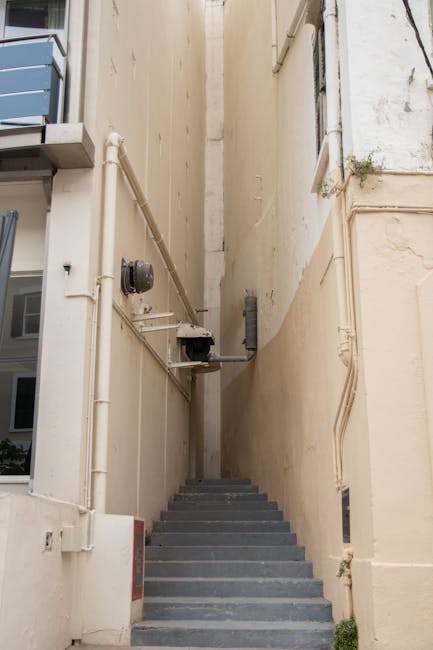
Rye Lane Flat Moves: Narrow Stairs & Access Tips SE15
Moving a flat on Rye Lane in SE15 can be perfectly manageable, but it rarely behaves like a straightforward "load the van and go" job. Narrow staircases, tight hallways, shared entrances, awkward parking, and top-floor walk-ups can turn a simple move into a careful piece of planning. The good news? With the right preparation, access checks, and packing approach, a flat move in this part of Peckham becomes much smoother and far less stressful.
This guide breaks down what actually matters on moving day, where delays usually happen, and how to plan around them before anyone starts carrying boxes. Whether you are moving out of a compact studio, a Victorian conversion, or a busy shared flat near Rye Lane, the principles are the same: know the access, protect the property, and keep the load realistic.
If you are also comparing service options, it helps to understand the wider picture first. You may want to review the full range of removal services, read about flat removals support, or check how quotes are calculated so there are no surprises later.
Table of Contents
- Why Rye Lane Flat Moves: Narrow Stairs & Access Tips SE15 Matters
- How Rye Lane Flat Moves: Narrow Stairs & Access Tips SE15 Works
- Key Benefits and Practical Advantages
- Who This Is For and When It Makes Sense
- Step-by-Step Guidance
- Expert Tips for Better Results
- Common Mistakes to Avoid
- Tools, Resources and Recommendations
- Law, Compliance, Standards, or Best Practice
- Options, Methods, or Comparison Table
- Case Study or Real-World Example
- Practical Checklist
- Conclusion
- Frequently Asked Questions
Why Rye Lane Flat Moves: Narrow Stairs & Access Tips SE15 Matters
Rye Lane and the surrounding SE15 streets often present a familiar mix of urban moving challenges: limited frontage, uneven pavements, busy traffic, and buildings that were never designed with large modern furniture in mind. That matters because a move is not just about transport distance. It is about the route between the front door, the stairwell, and the vehicle.
Narrow stairs can affect almost everything:
- how many items can be carried safely at once
- whether furniture needs partial dismantling
- how long loading will take
- what type of van or team is appropriate
- whether you need temporary waiting time at the property
A compact flat move can still go wrong if the access is guessed rather than checked. One low ceiling, one tight turn, or one heavy wardrobe can slow the entire job. On the other hand, a clear access plan helps movers work efficiently and keeps your belongings safer.
Truth be told, many people only think about the van. But on a Rye Lane flat move, the stairs often matter more than the mileage.
How Rye Lane Flat Moves: Narrow Stairs & Access Tips SE15 Works
A successful flat move starts before the van arrives. The process usually follows a practical sequence: assess access, reduce awkward items, prepare packing, protect surfaces, and then move in an order that suits the building layout. That is the sensible way to handle SE15 properties where the staircase may be steep, winding, or too tight for bulky pieces.
Here is the basic flow:
- Assess the access route. Measure stair width, check landings, note any sharp turns, and identify parking conditions.
- Separate difficult items. Sofas, beds, mattresses, wardrobes, mirrors, and appliances often need special handling.
- Prepare the property. Clear hallways, remove trip hazards, and protect flooring or banisters where needed.
- Load in a logical sequence. Smaller boxes first or last, depending on how the van is being packed and how the items will be unloaded.
- Work with the building's reality. If the stairs are narrow, carry fewer items at once and avoid forcing anything through a turn.
In practice, the most efficient moves are the ones that reduce handling. A bed frame that is disassembled in advance will usually move faster than one that has to be wrestled around a landing. The same goes for wardrobes, large desks, and heavy white goods.
For a smoother overall move, it can help to read practical house moving strategies and packing tips that improve loading efficiency.
Key Benefits and Practical Advantages
When you plan a flat move properly, the benefits are immediate and very real. You save time, reduce the risk of damage, and avoid the kind of last-minute panic that tends to happen when a sofa reaches the staircase and suddenly becomes "a problem for later."
1. Less risk of damage
Measured access planning reduces knocks to walls, chipped paint on bannisters, scratched furniture legs, and scuffed floors. That protects both your deposit and your peace of mind.
2. Faster loading and unloading
When movers know in advance which items need dismantling or extra carry support, they can work in a clean sequence instead of stopping repeatedly to reassess each piece.
3. Better safety for everyone involved
Narrow stairs are not the place for rushed lifting. Good planning reduces the chance of slips, strained backs, and awkward mid-carry turns. If you are moving anything unusually heavy, it is worth reading how to handle heavy lifts safely before the day arrives.
4. Cleaner communication with the moving team
Clear information about access, parking, and item sizes helps the team bring the right tools and plan the right order. That makes the whole job feel calmer.
5. Less wasted effort
There is nothing more frustrating than carrying an item halfway down a staircase only to discover it will not turn the corner. A little preparation prevents a lot of unnecessary effort.
Expert summary: The best Rye Lane flat moves are not necessarily the fastest at the start; they are the ones that remove guesswork before lifting begins.
Who This Is For and When It Makes Sense
This kind of guidance is useful for anyone moving in or out of a flat in SE15 where access is not straightforward. That includes tenants, first-time buyers, landlords, students, sharers, and anyone relocating from a top-floor conversion or older apartment block.
It is especially relevant if you are:
- moving from a building with a narrow internal staircase
- dealing with multiple flights and no lift
- moving bulky furniture from an upper floor
- trying to book a vehicle for restricted roadside access
- preparing for a same-day move with little room for delays
Students and short-term renters often benefit from a simpler, lighter version of the plan. If that sounds like your situation, take a look at student removals support and same-day removals options for a faster-moving setup.
It also makes sense for people with awkward furniture. If you own a sofa-bed, ottoman frame, long mirror, or upright piano, the staircase may be the real deciding factor, not the travel distance.
Step-by-Step Guidance
Use this practical sequence to plan a Rye Lane flat move with narrow stairs in mind.
Step 1: Measure the access, not just the rooms
Measure the narrowest points on the route: hallway pinch points, stair width, landing depth, and any low ceilings or railings. If you can, measure the items too. A wardrobe might fit in the bedroom but still fail at the top turn.
Step 2: Identify the difficult items early
List the pieces that are likely to need extra handling. Common examples include:
- double mattresses
- sofas and corner sofas
- wardrobes
- fridge freezers
- pianos
- large mirrors and glass-topped furniture
If you are moving something delicate or unusually shaped, it may help to review bed and mattress moving advice or guidance on moving a piano safely.
Step 3: Decide what should be dismantled
Flat-pack furniture is usually the easiest to deal with, but many items look simple until they meet a stairwell. Removing legs, doors, shelves, or headboards can make a big difference. Keep screws and fittings in labelled bags so reassembly is not a guessing game later.
Step 4: Clear and protect the route
Move coats, shoes, bins, and loose items away from the stairwell. Lay down protective covers where needed. In older buildings, even a brief scrape against a wall can leave a mark that is difficult to ignore.
Step 5: Plan parking and timing
In busy parts of Peckham, curbside access can be the hidden challenge. Try to think about where the van will stop, whether there is room to unload safely, and whether the route from vehicle to door is realistic. If access is tight, adding a little time buffer can make the day much less stressful.
Step 6: Pack by weight and fragility
Heavy items should be in smaller boxes. Light but awkward items should be secured carefully. Books, kitchenware, and tools are usually best in small, manageable cartons. If packing feels rushed, revisit how decluttering reduces moving strain and move-out cleaning guidance to keep the process organised.
Step 7: Load in the right order
Heavy, stable items generally go in first, with lighter or more fragile pieces protected around them. The goal is to keep the van balanced and reduce the number of times items need to be rehandled.
Step 8: Check the final exit and stairwell
Before leaving, do a last sweep for bolts, keys, meter readings, and loose items. A clean handover is always better than a rushed goodbye at the doorway.
Expert Tips for Better Results
These are the kinds of small adjustments that make a surprisingly big difference on narrow stair moves.
- Use blankets and corner protection early. Don't wait until the first scrape to start protecting walls and furniture.
- Keep a clear "hold point". A small landing area or hallway pause point helps when items need turning or swapping hands.
- Remove doors where possible. It sounds minor, but taking doors off wardrobes or cupboards can save time and space.
- Carry fewer items per trip. One awkward overload on a staircase causes more delays than two sensible trips.
- Label fragile and priority boxes clearly. The right box in the right place can save a lot of unpacking stress.
- Use a removal van that suits the street. Bigger is not always better if access is limited.
If your move involves bulkier household pieces, a specialist approach is often worth it. You can also explore furniture removals support or a flexible man and van service depending on the size of the job.
A small but useful habit: take quick photos of tricky items before dismantling them. When reassembling later, you will thank yourself. A little organised paranoia never hurt anyone.
Common Mistakes to Avoid
Most access problems are predictable. That is actually the good news, because predictable problems can be prevented.
1. Guessing the furniture size
"It should fit" is rarely a solid moving strategy. Measure the item and the staircase. Guessing is how people end up rotating a sofa at 45 degrees while quietly regretting all life decisions.
2. Leaving dismantling until moving day
Take apart what you can in advance. Doing it under pressure, with a queue of boxes behind you, is usually a bad trade.
3. Ignoring parking and street access
Even a short walk from van to front door adds time and strain. On narrow roads, the loading point matters nearly as much as the flat itself.
4. Packing boxes too heavy
Books, bottles, and tools can make a small box dangerous if overfilled. Smaller, stronger boxes are easier to carry on stairs and easier to stack in the van.
5. Not protecting the building
Shared hallways and stairwells can be sensitive spaces. Protective covers, careful carrying, and clear communication help avoid complaints and damage.
6. Trying to force awkward furniture through tight turns
If a piece does not fit cleanly, stop and reassess. Forcing it often causes damage to both the item and the property. Sometimes the right move is to dismantle more, not push harder.
Tools, Resources and Recommendations
You do not need a warehouse full of equipment to manage a narrow-stairs flat move, but a few practical tools can make things much easier.
| Tool or Resource | Why it helps | Best used for |
|---|---|---|
| Measuring tape | Confirms stair width, item size, and turn clearances | Large furniture and access planning |
| Furniture blankets | Protects finishes from knocks and scratches | Sofas, tables, wardrobes, appliances |
| Ratchet straps | Keeps items secure during transport | Heavy or stackable loads |
| Trolley or sack truck | Reduces manual carrying where the route allows it | Boxes, appliances, and heavy cartons |
| Labels and marker pens | Makes unpacking and room placement faster | Kitchen, fragile, and priority boxes |
| Flat-pack tool kit | Speeds up dismantling and reassembly | Beds, desks, shelving, wardrobes |
For packing supplies, see packing and box solutions. If you need temporary placement for items between homes, storage options can be useful, especially when access or completion timing is uncertain.
For people moving larger household items, it may also help to review sofa handling and storage advice and temporary freezer storage guidance.
Law, Compliance, Standards, or Best Practice
Most flat moves are straightforward in legal terms, but there are still practical standards worth following. If you are moving in a shared building, respect communal areas, avoid blocking exits, and make sure access routes remain safe for residents and visitors. If a building manager or landlord has specific requirements for lifts, protective coverings, or booking times, it is wise to follow them.
For movers, safe lifting practice is not optional. Good manual handling habits reduce injury risk and protect the items being carried. That usually means:
- lifting with a stable stance
- keeping loads within a manageable weight
- avoiding twisting while carrying
- using team lifts for awkward items
- taking breaks when stair access is demanding
Insurance also matters. When a move involves narrow stairs, the risk profile changes because the route is tighter and the chance of accidental contact is higher. It is sensible to understand what cover applies, what exclusions may exist, and how claims are handled. For a fuller overview, see insurance and safety information, along with the company's health and safety policy.
Best practice is simple: plan carefully, disclose access issues honestly, and avoid leaving the moving team to discover problems on the stairs. That is not just efficient; it is respectful to everyone involved.
Options, Methods, or Comparison Table
Different flat moves call for different approaches. The right choice depends on the amount of furniture, the access difficulty, and how much help you want on the day.
| Method | Best For | Strengths | Limitations |
|---|---|---|---|
| DIY flat move | Very light loads and short moves | Low upfront cost, full control | Higher physical effort, more risk on stairs |
| Man and van | Small to medium flat moves | Flexible, practical, often cost-conscious | May need careful planning for heavy items |
| Full removal service | Larger or more complex homes | More support, better for bulky furniture | Usually higher cost than a basic vehicle-only option |
| Split move with storage | Delayed completion or limited access | Creates breathing room and reduces pressure | Requires extra coordination |
For many Rye Lane flats, a well-planned man with a van service or a more complete house removals option is the best middle ground. It gives you enough support without making the move feel overengineered.
Case Study or Real-World Example
Consider a typical SE15 flat move: a two-bedroom conversion on an upper floor, no lift, a narrow stairwell with one tight turn, and a sofa, mattress, washing machine, and several heavy boxes to move. On paper, the job looks manageable. In reality, the stairwell is the deciding factor.
The successful approach is usually this:
- measure the sofa and identify if legs or cushions can be removed
- dismantle the bed frame before moving day
- wrap fragile items separately and keep heavy books in smaller boxes
- reserve a clear parking spot as close as practical to the entrance
- load the van in a way that keeps large items secure and accessible
Now compare that with a less prepared move. If the sofa is left assembled, the mattress is loose, boxes are overfilled, and parking is guessed rather than planned, the team spends more time stopping, repositioning, and worrying about damage. The move still happens, but it feels twice as hard.
This is why access planning is not a luxury detail. It is the difference between "that was organised" and "never again."
Practical Checklist
Use this checklist a day or two before your move.
- Measure stair width, landings, and tight corners
- Check if any furniture needs dismantling
- Label fragile, heavy, and priority boxes
- Clear the hallway, stairs, and entryway
- Protect floors, walls, and banisters if needed
- Confirm parking and arrival timing
- Separate screws, keys, and small fittings into labelled bags
- Keep essential items in one easy-to-reach box
- Review insurance and safety information
- Tell the moving team about any access issues in advance
If you want broader moving support, it can also be useful to browse removal services and local removals information so you can match the service to the size of the job.
Conclusion
Rye Lane flat moves in SE15 are easiest when you treat access as the main event, not an afterthought. Narrow stairs, awkward turns, and limited parking do not have to create a stressful move, but they do demand a careful approach. Measure first, dismantle what you can, protect the route, and keep the moving plan realistic for the building you are dealing with.
Once you understand the access properly, the rest of the move becomes much more manageable. And that is usually what people want most: not a dramatic moving day, just a clean, efficient one.
If you are planning a flat move and want help matching the right service to the access conditions, you can read more about the team on the about us page or use the contact page to discuss your move in detail.
Get a free quote today and see how much you can save.
Frequently Asked Questions
How do I know if my Rye Lane flat has difficult access?
Look for narrow staircases, small landings, tight turns, shared entrances, and limited street loading space. If a sofa or wardrobe needs turning on the stairwell, access is already a key factor.
Should I dismantle furniture before a flat move?
Yes, where practical. Beds, wardrobes, shelving, and some desks are much easier to move when partially dismantled. It reduces the risk of damage and usually speeds up the job.
What is the best way to move heavy items down narrow stairs?
Use team lifting where possible, keep the load balanced, and avoid twisting on the stairs. If an item feels too awkward to control safely, pause and reassess rather than forcing it.
Can a man and van service handle a top-floor flat move?
Often yes, especially for smaller or medium-sized flats. The key is giving accurate access details so the vehicle size, timing, and loading plan match the property.
How far in advance should I book a flat move in SE15?
As early as you can, especially if you are moving at the end of the month or on a weekend. More notice usually means better planning and less last-minute pressure.
What should I tell the movers before moving day?
Tell them about narrow stairs, no lift, parking restrictions, fragile items, heavy furniture, and any access codes or building rules. The more accurate the information, the smoother the day tends to be.
Do I need special packing materials for stairs-heavy moves?
It helps to have strong boxes, tape, furniture blankets, and protective wrapping for fragile or valuable items. Smaller boxes are particularly useful for heavy contents like books.
What happens if my sofa or bed will not fit through the stairwell?
Sometimes the answer is to remove legs, headboards, or fittings. If that still does not work, you may need a different route, a more suitable service, or temporary storage while a solution is arranged.
Is it worth using storage during a complicated flat move?
It can be. Storage is useful if move-in dates do not line up, if access is too tight for everything at once, or if you want to move bulky items in a second trip. See storage options if that fits your plan.
How can I reduce the risk of damage in a shared stairwell?
Protect the route, move carefully, carry fewer items at once, and avoid dragging anything along the floor or wall. A bit of padding and patience goes a long way in older buildings.
Are same-day flat moves realistic on Rye Lane?
They can be, but only if the load is manageable and the access is straightforward enough. For more complex moves, a little notice is usually safer and more efficient than a rushed booking.
Where can I get help if I am unsure what service I need?
The best next step is to request a quote and explain the access in plain detail. If you need guidance on service fit, start with the services overview and then contact the team for a tailored recommendation.